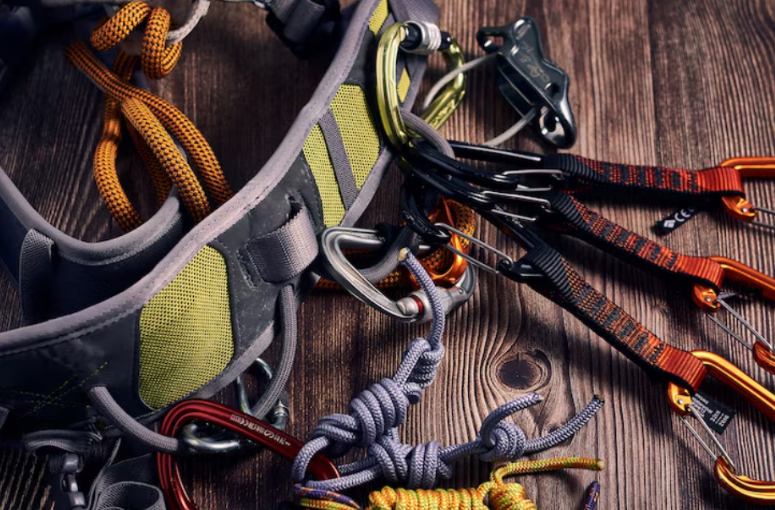
Working at heights requires the right safety equipment, and one of the most important tools is a rope access harness. It is designed to support a worker’s body weight, reduce fall risks, and allow safe movement in difficult-to-reach areas. Choosing the right harness is not just about comfort; it is about protecting life and ensuring efficiency during high-risk tasks. With so many options available in the market, understanding what to look for can help you make a safe and smart decision.
Understanding the Role of a Rope Access Harness
A rope access harness is a specially designed safety device used by professionals who work at heights such as construction workers, window cleaners, tower technicians, and rescue teams. Its main purpose is to securely attach a worker to a rope system so they can perform tasks safely while suspended in the air. A good rope access harness distributes weight evenly across the body, reducing pressure points and making long working hours more manageable. It also provides multiple attachment points for ropes and safety systems, ensuring stability in different working conditions.
Importance of Safety Standards and Certification
When selecting a rope access harness, safety standards should always come first. A reliable harness must meet international safety certifications, which confirm that it has been tested under strict conditions. These standards ensure the harness can withstand heavy loads and sudden impacts during a fall. A certified rope access harness gives workers confidence that their equipment will perform properly in emergencies. Without proper certification, even a strong-looking harness may fail when it is needed most.
Comfort, Fit, and Adjustability
Comfort plays a major role in how effectively a rope access harness performs during long working hours. A poorly fitted harness can cause fatigue, discomfort, and even distraction, which increases safety risks. The right harness should be adjustable to fit different body shapes and sizes. It should have padded shoulder straps, waist support, and leg loops that distribute pressure evenly. A proper fit ensures that the worker remains stable while moving, bending, or working in confined spaces. Always try the harness before use to ensure it fits snugly without being too tight or too loose.
Material Quality and Durability
The strength of a rope access harness depends largely on the materials used in its construction. High-quality harnesses are usually made from strong synthetic fibers like polyester or nylon, which offer durability and resistance to wear and tear. Since these harnesses are often exposed to harsh environments such as sunlight, moisture, and friction, the material must be able to handle these conditions without weakening. Strong stitching and reinforced connection points also add to the overall safety and lifespan of the harness.
Inspection and Maintenance for Long-Term Safety
Even the best rope access harness requires regular inspection and maintenance to stay safe. Before each use, it is important to check for any signs of damage such as frayed straps, loose stitching, or worn-out buckles. A damaged harness should never be used, as it can fail during critical moments. Proper storage is also important; the harness should be kept in a dry and clean place away from direct sunlight and chemicals. Regular maintenance ensures that the harness remains reliable and extends its working life.
Conclusion
Choosing the right rope access harness is essential for anyone working at heights. It directly affects safety, performance, and confidence on the job. By focusing on safety standards, comfort, proper fit, durable materials, and regular maintenance, workers can significantly reduce risks. A well-chosen rope access harness is not just equipment; it is a vital safety partner that helps ensure every task at height is completed safely and efficiently.